Integrating Tree Logo Assets into Modern Branding and Design Workflows
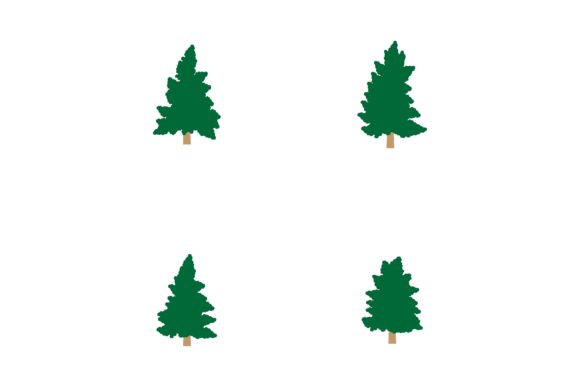
In the landscape of visual identity, few symbols carry as much semantic weight as the tree. A Tree Logo is not merely a graphic element; it is a versatile vessel for concepts ranging from organic growth and ecological responsibility to deep-rooted stability and familial heritage. For designers, marketers, and business owners, understanding how to effectively deploy tree imagery requires more than selecting a pretty silhouette. It demands a strategic approach to integration, ensuring that the chosen vector or illustration aligns with broader brand narratives and operational goals.
Whether you are developing a corporate identity for a sustainable startup, designing educational materials for an academy, or creating packaging for a boutique spa, the tree motif offers a rich vocabulary of shapes and meanings. From the sturdy oak representing longevity to the delicate leaf symbolizing renewal, these elements must be curated with precision. This article explores how to incorporate tree-based graphics into your creative and business processes, focusing on usability, consistency, and long-term value.
Defining the Symbolic Role in Your Project Lifecycle
Before opening any design software, it is crucial to determine where the tree symbol fits within your project’s lifecycle. Is it the central pillar of your brand identity, or a supporting decorative element? The answer dictates the complexity and style of the asset you need.
For businesses focused on ecology, environment, and sustainability, the tree often serves as the primary logotype. In this context, the design must communicate trust and authenticity. A minimalist line art representation might suggest modern efficiency and transparency, suitable for tech companies or financial services emphasizing "green" investments. Conversely, a lush, detailed botanical illustration may better serve a luxury skincare brand or a high-end garden center, where richness and natural beauty are paramount.
Consider the stage of your workflow. During the planning phase, use abstract tree concepts to brainstorm core values. Are you highlighting growth, community, or knowledge? A family tree diagram, for instance, is essential for genealogy services or organizational charts, requiring clarity and structural logic rather than artistic flair. In contrast, a marketing campaign for a summer holiday might utilize a stylized palm or broadleaf tree to evoke feelings of relaxation and escape. By defining the symbolic intent early, you avoid costly revisions later in the design process.
Selecting the Right Visual Style for Consistency
The market is saturated with tree icons, vectors, and templates. Navigating this abundance requires a keen eye for style compatibility. A common mistake is mixing disparate aesthetic languages, which dilutes brand recognition. To maintain consistency, categorize your options based on your existing brand guidelines.
- Minimalist and Linear: Ideal for modern apps, urban architecture firms, and clean tech startups. These designs often use simple lines to suggest a trunk and branches, relying on negative space. They scale exceptionally well for favicons and mobile interfaces.
- Organic and Handmade: Perfect for boutiques, artisanal woodworking, and organic food brands. Look for textures that mimic brush strokes or pencil sketches. These elements convey warmth, human touch, and authenticity.
- Geometric and Abstract: Suitable for science, education, and corporate sectors. Hexagonal patterns combined with tree motifs can suggest structure, innovation, and interconnectedness. This style works well for logos involving teamwork or network building.
- Vintage and Emblematic: Best for breweries, barbershops, or heritage institutions. These designs often feature intricate details, badges, and ribbons, evoking a sense of history and established expertise.
When sourcing these assets, prioritize high-quality vectors. Unlike raster images, vector files allow for infinite scalability without loss of quality. This is critical for applications ranging from small business cards to large outdoor signage. Ensure that the file formats you choose are compatible with your production pipeline, whether that involves digital publishing or physical printing on various materials like wood, paper, or fabric.
Practical Implementation Across Channels
Once you have selected the appropriate tree graphic, the next step is seamless integration across multiple touchpoints. A logo does not exist in isolation; it interacts with typography, color palettes, and background elements. Here is how to manage this integration effectively.
Digital Presence and User Experience
On websites and social media platforms, clarity is key. A complex tree silhouette may lose detail when reduced to a profile picture size. Test your logo at various dimensions to ensure legibility. Use simplified versions or monograms for small screens. For educational platforms or online libraries, consider using tree icons as navigational aids—branches representing categories, leaves representing individual articles or courses. This metaphor enhances user intuition and makes the browsing experience more engaging.
Print Materials and Packaging
In physical media, texture and color play significant roles. If you are in the real estate or construction industry, combining a tree icon with architectural lines can bridge the gap between nature and urban living. For eco-friendly products, consider printing on recycled paper or using soy-based inks to reinforce the message. The tactile experience of the material should complement the visual cue of the tree. For example, a wooden sign with a burned-in tree emblem creates a powerful sensory connection for customers visiting a park, resort, or rural retreat.
Internal Culture and Education
Beyond external marketing, tree symbols can strengthen internal culture. In corporate training or university settings, use the concept of "roots" to represent foundational knowledge and "branches" for specialized skills. Visual aids featuring growing trees can motivate students and employees by illustrating progress and development. Certificates, diplomas, and internal awards often feature laurel wreaths or oak leaves to signify achievement and wisdom. Ensuring these elements are consistent with your external branding creates a cohesive organizational identity.
Optimizing for Long-Term Usability and Adaptation
A successful design asset is not static; it evolves. As your business grows, your visual identity may need to adapt. A flexible tree logo system allows for seasonal variations—such as adding blossoms in spring or vibrant colors in autumn—without losing core recognition. This approach keeps your branding fresh and relevant while maintaining equity.
Furthermore, consider the accessibility of your designs. Ensure sufficient contrast between the tree graphic and its background. Green on white is classic, but do not shy away from bold combinations like blue for water conservation themes or earthy browns for agriculture. Always provide alternative text for digital assets to ensure inclusivity for users with visual impairments.
Finally, organize your asset library meticulously. Store different variations—horizontal, vertical, icon-only, black-and-white—in clearly labeled folders. This preparation saves time during urgent projects and ensures that anyone in your team, from freelancers to full-time staff, can access the correct files. By treating your tree logo as a dynamic component of your workflow rather than a one-time decoration, you maximize its impact and longevity.
In conclusion, the tree is a timeless symbol that transcends industries. Whether you are building a brand around health, education, real estate, or environmental care, the right tree logo can anchor your identity. By approaching its selection and implementation with strategic intent, focusing on consistency, and planning for diverse applications, you create a visual asset that truly grows with your business.