Mom Helping Son With School Tasks
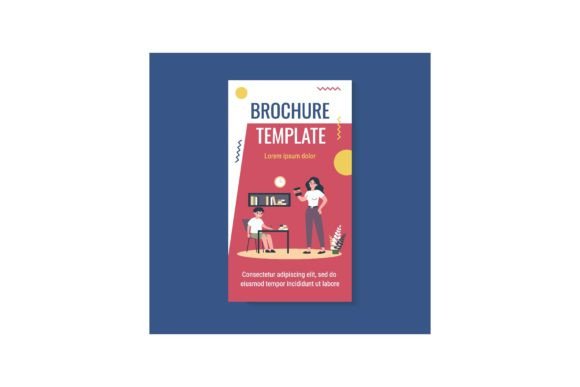
The image of a mother leaning over her son’s shoulder, guiding his pencil or pointing to a line in a textbook, is one of the most recognizable visual metaphors for modern education. It transcends cultural boundaries and speaks directly to the universal experience of learning at home. When we look at a Mom helping son to do school home task, we are not just seeing a domestic scene; we are witnessing the transfer of knowledge, the building of confidence, and the quiet dedication that fuels academic growth. For designers, marketers, and educators, this concept offers a rich vein of creative potential that goes far beyond simple clip art.
Understanding why this specific imagery resonates so deeply requires looking at the emotional and functional layers it carries. It represents support without takeover, guidance without domination. In a flat vector illustration style, these nuances can be captured through posture, proximity, and facial expression, creating a clean yet emotionally charged asset suitable for banners, website designs, and landing pages focused on education and knowledge.
The Power of Visual Storytelling in Education
In the digital age, attention spans are short, and clarity is king. A well-crafted vector illustration of a mother assisting her child cuts through the noise. It instantly communicates values such as patience, involvement, and structured learning. For a landing page promoting an online tutoring service, a homeschooling curriculum, or even a productivity app for families, this visual serves as an immediate anchor. It tells the visitor, "We understand your reality," before they read a single word of copy.
The flat design aesthetic is particularly effective here. By removing unnecessary textures and shadows, the focus shifts entirely to the interaction between the characters. The boy writing at his desk becomes a symbol of effort and concentration, while the woman holding the book represents authority tempered with care. This simplicity ensures the image scales perfectly across devices, from mobile screens to large desktop monitors, maintaining its impact regardless of context.
Creative Variations and Design Approaches
While the core concept remains consistent, there are numerous ways to interpret and adapt this scene to suit different brand voices and audience needs. Creativity thrives on variation, and exploring different angles can make your content stand out in a saturated market.
- The Collaborative Approach: Instead of showing the mother standing over the son, depict them sitting side-by-side. This subtle shift changes the dynamic from supervision to partnership. It suggests that learning is a joint journey, ideal for platforms emphasizing community or collaborative tools.
- The Moment of Breakthrough: Capture the exact second understanding dawns on the child’s face. The mother might be smiling gently, pointing to a specific part of the text. This variation is powerful for educational products that promise quick results or clarity in complex subjects.
- The Tech-Integrated Scene: Modern homework often involves tablets or laptops. Updating the traditional book-and-pencil setup to include a digital device can make the illustration feel contemporary and relevant to today’s tech-savvy parents and students.
- Diverse Representation: Ensure your illustrations reflect a wide range of ethnicities, family structures, and abilities. A mother helping her son is a universal theme, but seeing themselves represented in the artwork helps users feel a deeper connection to the brand.
Practical Applications for Different Industries
The versatility of this concept allows it to be adapted across various sectors. Here is how different professionals can leverage this imagery effectively:
For EdTech Startups
If you are building an app that helps parents track their children’s progress, use this image to humanize the data. Show the mother using a tablet to monitor tasks while the son writes. It bridges the gap between technology and personal touch, reassuring users that the tool enhances rather than replaces parental involvement.
For Publishing Houses
Children’s book publishers or educational material creators can use this visual on their homepage to evoke nostalgia and trust. It signals that their products are designed to facilitate meaningful interactions between parents and children, turning homework time into quality bonding time.
For Interior Designers and Furniture Brands
A study desk is more than just furniture; it is a workspace for growth. An illustration of a mom helping her son at a well-organized desk highlights the importance of a conducive learning environment. This can be used in marketing materials for ergonomic chairs, proper lighting solutions, or storage units that keep study areas clutter-free.
Ensuring Clarity and Consistency in Design
To keep your visual assets effective and professional, consistency is key. If you are using a flat vector style, stick to a cohesive color palette that aligns with your brand identity. Soft blues and greens often convey calmness and focus, while warmer tones like orange or yellow can inject energy and optimism. Avoid overly bright or clashing colors that might distract from the central action.
Pay attention to the body language. The mother should appear engaged but not intrusive. Her posture should suggest availability and support. The boy should look focused, not stressed. These subtle cues determine whether the viewer perceives the scene as helpful or stressful. Testing different iterations with your target audience can provide valuable feedback on which version resonates most authentically.
Maximizing Impact on Web Platforms
When integrating this illustration into a website or landing page, consider its placement carefully. Above the fold, it can serve as a hero image that immediately sets the tone. Accompany it with a strong headline that reinforces the message, such as "Empowering Learning at Home" or "Support Every Step of Their Journey." Ensure there is enough white space around the image to let it breathe, preventing the layout from feeling cluttered.
For blog posts or articles, break up long sections of text with smaller variations of the main illustration. This keeps the reader engaged and reinforces the thematic elements throughout the content. Alt text should be descriptive and inclusive, mentioning the key elements like "mother assisting son with homework" to improve accessibility and SEO performance.
Final Thoughts on Authentic Engagement
The concept of a Mom helping son to do school home task is more than just a stock image trope; it is a reflection of the vital role parents play in education. By approaching this theme with creativity, sensitivity, and strategic intent, designers and marketers can create visuals that truly connect with their audience. Whether you are aiming to inspire, inform, or sell, grounding your work in authentic human experiences will always yield the most compelling results. Focus on the relationship, the environment, and the emotion, and your designs will not only look good but also feel right.