Igniting Innovation: School Robotics Projects
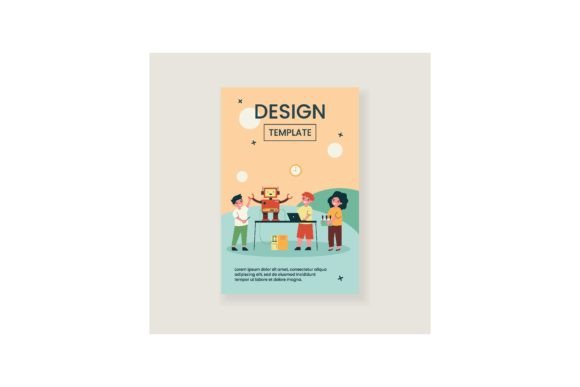
Imagine a classroom buzzing not just with chatter, but with the whir of servos and the click of keyboards. In the center of the room, a small group of children huddles around a laptop, their eyes wide with concentration as they tweak code to bring a mechanical creation to life. This is the essence of a modern School Robotics Project. It is more than just an extracurricular activity; it is a dynamic intersection of education, creativity, and technological fluency. For parents, educators, and lifelong learners, understanding the value of these initiatives offers a window into how the next generation is being prepared for a digital future.
Beyond Toys: The Educational Value of Hands-On Learning
At its core, a school robotics project transforms abstract concepts into tangible realities. When students engage in building and programming robots, they are not merely playing with gadgets. They are applying principles of mathematics, physics, and computer science in real-time. Consider the scenario of a group of children working together to create a cyborg-like figure or present a humanoid robot. To make this machine walk, talk, or respond to remote control inputs, they must understand balance, circuitry, and logical sequencing.
This hands-on approach addresses a common gap in traditional education: the disconnect between theory and practice. Textbooks can explain how a gear ratio works, but feeling the resistance when a robot fails to climb a slope teaches resilience and problem-solving in a way that pages cannot. The appeal lies in the immediate feedback loop. If the code is wrong, the robot does not move. If the wiring is loose, the system fails. This instant cause-and-effect relationship encourages critical thinking and iterative improvement.
Fostering Collaboration and Soft Skills
While the technical skills are obvious, the social dynamics of a School Robotics Project are equally vital. Rarely does one child build a complex robot alone. These projects are inherently collaborative. A typical team might include a programmer, a builder, a designer, and a presenter. Each role is crucial, and success depends on effective communication.
- Teamwork: Students learn to delegate tasks and rely on each other’s strengths.
- Communication: Explaining technical challenges to peers requires clarity and patience.
- Leadership: Natural leaders emerge to coordinate efforts and keep the project on track.
- Conflict Resolution: Disagreements over design choices become opportunities to negotiate and compromise.
For adults observing these interactions, it is clear that the classroom becomes a microcosm of the modern workplace. The ability to work in diverse teams and solve problems collectively is a skill highly valued by employers across all industries, from tech startups to corporate enterprises.
From Concept to Creation: Practical Applications
The versatility of robotics education means it fits into various contexts, whether you are a homeschooling parent, a school administrator, or a community organizer. The visual of children with laptops and remote controls creating a cyborg is not just a cute illustration; it represents a scalable model for learning.
In primary education, the focus might be on basic assembly and simple block-based coding. Here, the goal is to spark curiosity and remove the intimidation factor associated with technology. As students progress to middle and high school, the complexity increases. They might delve into Python or C++, work with sensors, and explore artificial intelligence basics. The humanoid robot presentation mentioned earlier could involve advanced kinematics and speech recognition software.
For entrepreneurs and marketers, understanding this landscape is crucial. There is a growing market for educational kits, workshops, and STEM camps. Recognizing what engages students—such as the thrill of seeing a creation move independently—can help in designing better products and services. Furthermore, businesses looking to invest in community relations often sponsor local robotics competitions, aligning their brand with innovation and youth development.
Key Considerations for Getting Started
If you are considering initiating or supporting a School Robotics Project, there are several practical factors to keep in mind. First, accessibility is key. Not every school has a massive budget for high-end equipment. Fortunately, the barrier to entry has lowered significantly. Affordable microcontrollers like Arduino or Raspberry Pi, combined with free open-source software, allow for sophisticated projects without exorbitant costs.
Second, consider the learning curve for educators. Teachers do not need to be expert engineers to facilitate these projects. Instead, they act as guides, learning alongside their students. This "co-learning" model can be incredibly empowering for both parties. Resources such as online tutorials, community forums, and kit-specific lesson plans can bridge any knowledge gaps.
Third, think about the end goal. Is the objective to compete in tournaments, to integrate with the standard curriculum, or simply to provide a creative outlet? Defining this purpose helps in selecting the right tools and structuring the timeline. A competition-focused team will need rigorous practice schedules, while a club focused on exploration might prioritize open-ended experimentation.
Why It Matters for the Future
We live in an era where automation and AI are reshaping the job market. Literacy in robotics and coding is becoming as fundamental as reading and writing. By engaging in these projects, children develop a comfort level with technology that goes beyond passive consumption. They become creators, understanding the logic behind the devices they use daily.
Moreover, these experiences demystify engineering. For many young people, especially those from underrepresented groups, seeing themselves as capable builders and programmers can change their career trajectories. The confidence gained from successfully presenting a humanoid robot or troubleshooting a faulty sensor can inspire a lifelong interest in STEM fields.
In conclusion, the image of a group of children collaborating on a robotics project is a powerful symbol of modern education. It represents a shift towards active, engaged, and collaborative learning. Whether you are an educator looking to enhance your curriculum, a parent seeking enriching activities for your child, or a professional interested in the future of work, recognizing the value of these initiatives is essential. They are not just about building robots; they are about building minds capable of shaping the future.