School Students Reading Books: Visual Guide
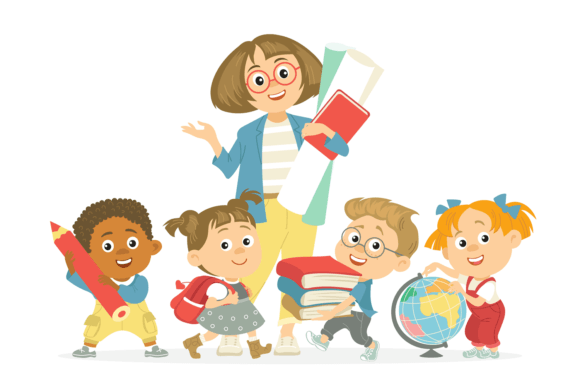
In the digital age, capturing the essence of traditional learning requires more than just text; it demands imagery that resonates with emotion and purpose. The concept of School Students Reading Books. Schoolchi represents a vital visual narrative for educators, designers, and content creators. This specific aesthetic focuses on schoolchildren studying in a classroom setting, often depicted through clean, flat vector illustrations. These images are not merely decorative; they serve as powerful symbols of knowledge, learning, and the education concept, making them ideal for banners, website designs, and landing pages.
When we talk about this visual style, we are referring to a modern, minimalist approach to depicting education. Unlike hyper-realistic photography, which can sometimes feel staged or distant, flat vector art offers a universal appeal. It simplifies complex scenes into recognizable shapes and colors, allowing viewers to instantly connect with the theme of academic diligence. For professionals building educational platforms, this style provides a clutter-free look that enhances user experience while maintaining professional credibility.
The Appeal of Flat Vector Illustrations in Education
One of the primary reasons why School students reading books. Schoolchildren studying at class flat vector illustration has become so popular is its versatility. Flat design removes unnecessary textures and shadows, focusing instead on bold colors and clear lines. This makes the images highly scalable. Whether you are designing a small icon for a mobile app or a large hero banner for a desktop website, the quality remains crisp and legible.
For marketers and bloggers, this visual consistency is crucial. When you use a cohesive set of illustrations featuring schoolchildren engaged in reading, you create a brand identity that feels organized and trustworthy. Parents and educators looking for resources are more likely to engage with a site that looks professional and intentional. The "Schoolchi" aesthetic, characterized by its friendly and approachable character designs, helps humanize digital spaces. It reminds users that behind every educational tool or service, there are real students with real goals.
Practical Applications for Creators and Businesses
Understanding where to apply these visuals can significantly enhance your project’s effectiveness. Here are several contexts where this specific type of illustration shines:
- Educational Landing Pages: If you are launching an online course or a tutoring service, using an image of students reading together establishes immediate context. It signals to visitors that your platform is student-centered.
- Blog Headers for Parenting Advice: Articles discussing study habits, literacy rates, or classroom management benefit from visuals that depict calm, focused learning environments. This reduces anxiety for parents seeking solutions.
- Non-Profit Campaigns: Organizations advocating for literacy or school funding can use these illustrations to evoke empathy without exploiting real children’s images. It keeps the focus on the cause rather than individual identities.
- App Interfaces: For ed-tech applications, flat vectors load faster than photographs, improving performance on slower connections. This is essential for reaching students in areas with limited bandwidth.
Consider a small business owner creating a newsletter for a local library. Using a knowledge, learning, education concept for banner design featuring diverse students reading can make the communication feel inclusive and community-oriented. It transforms a simple update into an invitation to participate in a shared cultural value.
Why This Visual Style Supports Learning Goals
Beyond aesthetics, there is a psychological component to using School Students Reading Books. Schoolchi imagery. Education is often associated with stress or pressure. However, flat illustrations tend to soften this perception. They present learning as an accessible, enjoyable activity. When students see themselves represented in these simplified, positive forms, it can reduce intimidation and encourage engagement.
For entrepreneurs in the ed-tech space, this is a subtle but powerful marketing tool. You are not just selling a product; you are selling a vision of success. By choosing illustrations that show students calmly absorbing information, you align your brand with clarity and achievement. This aligns with the broader goal of making education feel manageable and rewarding.
Key Considerations Before Choosing Your Assets
While the benefits are clear, selecting the right illustration requires careful thought. Not all flat vectors are created equal. Here are some important factors to keep in mind:
- Diversity and Representation: Ensure the illustrations reflect a diverse range of students. Education is global, and your audience likely is too. Look for assets that include various ethnicities, abilities, and gender expressions to ensure inclusivity.
- Color Psychology: Colors evoke emotions. Blue often signifies trust and calm, while yellow can represent energy and optimism. Choose a palette that matches the tone of your message. For a serious academic platform, muted tones might work better than neon brights.
- Licensing and Usage Rights: Always verify the license of the vector files. Some are free for personal use but require payment for commercial projects. As a professional, respecting intellectual property is part of maintaining your reputation.
- Customizability: Check if the vector files are editable. Being able to change the color of a book or the background allows you to match the illustration perfectly with your existing brand guidelines.
It is also worth noting that while flat design is trendy, it should not come at the expense of clarity. Avoid overly abstract representations where the action of reading is unclear. The goal is instant recognition. If a viewer has to guess what the characters are doing, the illustration has failed its primary purpose.
Integrating Visuals into Your Content Strategy
To get the most out of School students reading books. Schoolchildren studying at class flat vector illustration, integrate them thoughtfully into your content strategy. Do not just drop an image onto a page; consider how it interacts with the text. Use white space effectively to let the illustration breathe. Pair the visual with concise, impactful copy that reinforces the message of lifelong learning.
For example, if you are writing a guide on how to start a home library, place an illustration of a child reading comfortably next to the section on selecting age-appropriate books. This visual cue breaks up the text and provides a mental anchor for the reader. It makes the advice feel more practical and less theoretical.
Furthermore, consider the accessibility of your designs. Ensure that there is sufficient contrast between the illustration and the background text. Alt text should be descriptive, mentioning key elements like "students reading" or "classroom study scene" to help screen readers interpret the content accurately. This attention to detail demonstrates professionalism and care for all users.
In conclusion, the use of School Students Reading Books. Schoolchi themed illustrations is more than a design trend; it is a strategic choice for anyone involved in the education sector. By leveraging these clean, engaging visuals, you can communicate complex ideas simply, build trust with your audience, and create a welcoming digital environment. Whether you are a blogger, a marketer, or an educator, understanding the value of these assets will help you create more effective and appealing content.