School Teacher and Children Standing Together: Building Trust Through Visual Connection
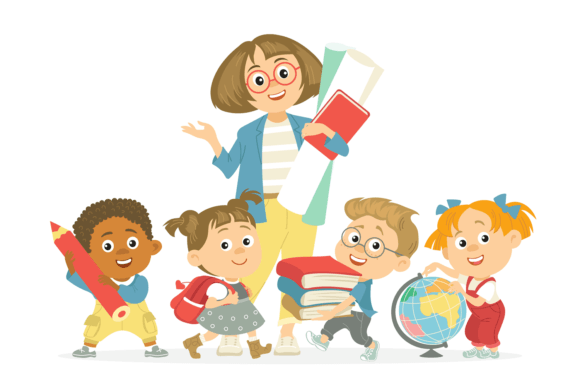
In the landscape of early childhood education, few images convey the essence of a nurturing learning environment as effectively as a school teacher and children standing together. This visual motif, often depicted in vector illustrations for daycare and kindergarten concepts, represents more than just a posed photograph or graphic design element. It symbolizes the foundational bond between educator and student—a relationship built on trust, safety, and mutual respect. When we analyze the concept of a joyful woman with a group of kids holding hands, we are looking at a powerful metaphor for guidance, protection, and community.
For parents, administrators, and educators, understanding the significance of this imagery helps clarify what should be prioritized in educational settings. It is not merely about aesthetics; it is about cultivating an atmosphere where children feel secure enough to explore, learn, and grow. This article explores how the principle of standing together translates into practical strategies for enhancing classroom dynamics, improving parent-teacher communication, and fostering emotional development in young learners.
The Symbolism of Unity in Early Education
The image of a teacher and students holding hands is universally recognized as a sign of cohesion. In a practical sense, this physical connection mirrors the emotional support system that effective educators provide. For children in kindergarten or daycare, the transition from home to school can be daunting. The presence of a calm, joyful authority figure who literally and figuratively holds their hand provides the stability needed to navigate new social and academic challenges.
When we discuss School Teacher and Children Standing Tog ether, we are addressing the core need for belonging. Children thrive when they feel part of a group. The teacher acts as the anchor, ensuring that no child feels isolated. This dynamic is crucial for developing social skills, empathy, and cooperation. By emphasizing unity, educators create a classroom culture where collaboration outweighs competition, laying the groundwork for lifelong interpersonal skills.
Addressing Common Challenges in Classroom Management
Many educators face the challenge of managing diverse behavioral needs within a single classroom. Some children may be shy, others energetic, and some may struggle with separation anxiety. The concept of standing together offers a solution by promoting inclusive practices. Instead of focusing solely on individual discipline, teachers can adopt a community-centered approach.
- Reducing Anxiety: A visible display of unity, such as morning circles or group activities where everyone holds hands, signals safety to anxious children.
- Enhancing Engagement: When children feel connected to their teacher and peers, they are more likely to participate actively in lessons.
- Building Trust: Consistent, positive physical and emotional presence helps build a reservoir of trust that makes difficult conversations or corrections easier to handle.
By integrating the spirit of School Teacher and Children Standing Together into daily routines, educators can mitigate disruptions before they start. A child who feels seen and supported is less likely to act out for attention.
Practical Applications for Educators and Administrators
Implementing the values represented by this iconic imagery requires intentional action. It is not enough to simply desire a harmonious classroom; one must structure the environment to facilitate connection. Here are several practical ways to bring this concept to life:
1. Rituals of Connection
Start the day with a greeting ritual that involves physical proximity and eye contact. Whether it is a high-five, a handshake, or a group hug, these small actions reinforce the bond. For younger children, walking in a line while holding hands during transitions reinforces the idea that the group moves together, safely and securely.
2. Collaborative Learning Spaces
Arrange furniture to encourage interaction rather than isolation. Tables grouped together allow for peer-to-peer learning, while the teacher circulates among them, acting as a facilitator rather than a distant lecturer. This setup mirrors the vector illustration of a teacher surrounded by engaged students, emphasizing accessibility.
3. Visual Communication
Use imagery in your classroom and marketing materials that reflects joy and unity. When parents see photos or illustrations of a joyful woman with a group of kids, they immediately associate the institution with warmth and care. This is particularly important for daycare centers and kindergartens where parental trust is paramount.
Different Perspectives on the Topic
The interpretation of School Teacher and Children Standing Tog ether varies depending on the stakeholder. Understanding these different viewpoints can help align goals and improve outcomes for everyone involved.
For Parents: This image represents peace of mind. They want to know that their child is in safe hands, both literally and metaphorically. They look for signs that the teacher is attentive, happy, and capable of managing the group dynamic. For them, the "holding hands" aspect signifies protection and guidance.
For Teachers: This concept represents professional fulfillment and responsibility. It is about creating a cohesive unit where every child’s needs are met. Teachers view this unity as a tool for effective instruction, knowing that a connected class is a teachable class.
For Administrators: This imagery is a brand asset. It communicates the values of the institution to the broader community. It suggests a holistic approach to education that values emotional well-being alongside academic achievement.
Outcomes of a Unified Classroom Environment
When the principles of unity and connection are prioritized, the results are tangible. Students exhibit higher levels of emotional regulation and social competence. They are more willing to take academic risks because they know they have a support network. Furthermore, teacher burnout can be reduced when there is a strong sense of community and mutual respect in the classroom.
The vector illustration of education, daycare, and kindergarten concepts is not just artistic license; it is an aspirational goal. It reminds us that at the heart of education is human connection. By focusing on the relationship between the teacher and the child, we create an environment where learning flourishes naturally.
Recommendations for Implementation
To fully leverage the benefits of this approach, consider the following recommendations:
- Prioritize Emotional Intelligence Training: Equip teachers with the skills to recognize and respond to the emotional needs of their students.
- Foster Parent-Teacher Partnerships: Extend the concept of "standing together" to include parents. Regular communication and collaborative goal-setting ensure that the support system extends beyond the classroom walls.
- Evaluate Classroom Culture Regularly: Use surveys and observations to assess whether students feel connected and supported. Adjust strategies as needed to maintain a positive environment.
In conclusion, the image of a School Teacher and Children Standing Together is a powerful reminder of the importance of connection in education. It is a call to action for educators to build bridges, not barriers. By focusing on trust, unity, and joy, we can create learning environments that nurture the whole child. Whether you are a teacher looking to improve your classroom dynamics, a parent seeking the right school, or an administrator aiming to enhance your institution’s reputation, embracing this philosophy will yield profound and lasting benefits. The simple act of standing together, holding hands, symbolizes a commitment to walking the path of education side by side, ensuring that no child is left behind.