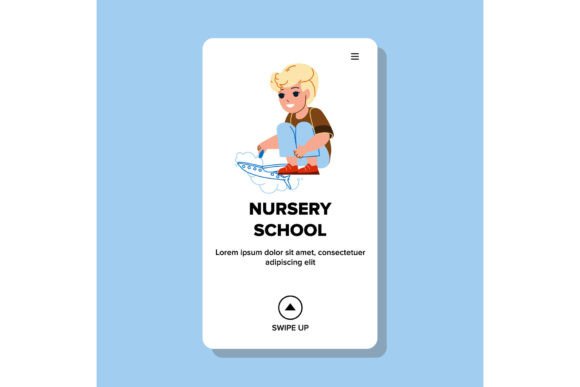
Nursery School Playground Painting Boy: Enhancing Early Education Through Creative Play
In the dynamic landscape of early childhood education, the intersection of physical activity and artistic expression plays a pivotal role in developmental growth. The concept of a Nursery School Playground Painting Boy captures more than just a visual moment; it represents a critical phase in a child’s cognitive and motor skill development. This imagery, often depicted in educational resources and vector illustrations, highlights how outdoor environments can be transformed into canvases for learning. By integrating art into recess and leisure time, educators and parents can foster creativity, social interaction, and fine motor skills simultaneously.
Understanding the significance of this activity requires looking beyond the surface. When we observe a nursery school playground painting boy kid vector or a real-life scenario of a child drawing with chalk on asphalt, we are witnessing a complex interplay of sensory engagement and educational reinforcement. This article explores the practical applications, benefits, and implementation strategies for incorporating playground art into early education curricula.
The Educational Value of Outdoor Artistic Expression
Traditional classroom settings often separate art from physical play. However, the modern approach to early childhood education emphasizes holistic development. The image of a Nursery School Playground Painting Boy symbolizes the breaking down of these barriers. When children engage in drawing pictures with chalk on asphalt, they are not merely passing time; they are engaging in a multisensory experience that reinforces learning outcomes.
One of the primary benefits is the development of gross motor skills. Unlike drawing on a small sheet of paper, creating large-scale art on the playground requires whole-body movement. Children must squat, reach, stretch, and move around their creations. This physical exertion helps build strength and coordination, which are essential foundations for later academic tasks such as writing. Furthermore, the ephemeral nature of chalk art teaches children about impermanence and encourages them to focus on the process rather than just the final product.
Addressing Common Challenges in Early Childhood Recreation
Educators and parents often face challenges in keeping young children engaged during leisure time. Boredom can lead to behavioral issues or missed opportunities for social learning. The concept of Nursery School Leisure Time For Drawing Picture With Chalk On Asphalt offers a solution to this common problem. It provides a structured yet open-ended activity that appeals to diverse interests and skill levels.
Another challenge is the limited space for creative expression in urban nursery schools. Playgrounds are often dominated by fixed equipment like swings and slides. By introducing washable chalk or temporary paint, these hard surfaces become versatile creative zones. This transformation does not require significant investment or infrastructure changes, making it an accessible solution for schools with limited budgets. The availability of resources like the Nursery School Playground Painting Boy Kid Vector in formats such as JPG and EPS allows institutions to create promotional materials, lesson plans, and signage that encourage this type of play.
Practical Applications for Educators and Parents
Implementing playground painting activities requires thoughtful planning to ensure safety and educational value. Here are several practical approaches to integrating this concept into daily routines:
- Themed Art Days: Align playground drawing with current lesson themes. If the class is learning about shapes, encourage children to draw large circles, squares, and triangles on the asphalt. This reinforces geometric concepts through physical action.
- Collaborative Murals: Designate specific areas for group projects. This fosters teamwork and communication as children negotiate space and share ideas. A Character Child Education And Recreation Web Flat Cartoon Illustration can serve as inspiration for these collaborative efforts, showing children how individual contributions form a larger picture.
- Sensory Pathways: Create hopscotch grids or mazes that combine physical exercise with artistic design. Children can draw the pathways and then use them for games, merging art with physical education.
- Storytelling Through Art: Encourage children to draw scenes from their favorite stories. This enhances literacy skills by requiring them to visualize and represent narrative elements.
For digital designers and educational content creators, utilizing high-quality vectors like the Nursery School Playground Painting Boy Kid Vector is essential. These assets, available in EPS and JPG formats, provide scalable and versatile images for websites, brochures, and educational apps. They help visualize the joy and engagement associated with outdoor art, making them powerful tools for marketing early education programs.
Different Perspectives on Playground Art
Various stakeholders approach the topic of Nursery School Playground Painting Boy with different priorities. Understanding these perspectives can help in creating more effective programs.
Educators focus on curriculum alignment. They look for activities that support learning objectives in math, language, and science. For them, playground painting is a tool for reinforcing concepts taught in the classroom. They value resources that offer clear instructional guides and assessment criteria.
Parents are often concerned with safety and cleanliness. They want assurance that the materials used are non-toxic and easy to wash off. Communication about the use of washable chalk and supervised play can alleviate these concerns. Parents also appreciate the social benefits, seeing their children interact positively with peers during creative play.
Administrators consider cost and maintenance. They need solutions that are durable and low-maintenance. The use of temporary media like chalk is ideal because it requires no long-term upkeep. Additionally, using digital assets like Character Child Education And Recreation Web Flat Cartoon Illustration helps in promoting the school’s innovative approach to education without incurring high printing costs.
Maximizing Outcomes with Quality Resources
To fully leverage the benefits of playground painting, it is crucial to use high-quality resources. Whether you are designing a website for a nursery school or creating educational materials, the visual representation matters. The Nursery School Playground Painting Boy Kid Vector serves as an excellent example of how professional graphics can enhance communication. Available in both JPG and EPS formats, these vectors offer flexibility for various applications.
JPG files are ideal for web use, ensuring fast loading times and clear visibility on screens. EPS files, on the other hand, are perfect for print materials such as posters, flyers, and banners. This versatility allows schools to maintain a consistent brand image across all platforms. Moreover, flat cartoon illustrations are particularly effective for young audiences as they are visually appealing and easy to understand.
When selecting images, look for those that depict active engagement and joy. The Nursery School Playground Painting Boy should appear focused and happy, reflecting the positive experience of creative play. Avoid static or passive poses, as they do not convey the energy and movement inherent in playground activities.
Conclusion
The integration of art into playground activities offers profound benefits for early childhood development. The image of a Nursery School Playground Painting Boy is not just a decorative element; it is a symbol of innovative education that values creativity, physical health, and social interaction. By providing opportunities for children to draw with chalk on asphalt, educators and parents can create enriching experiences that support holistic growth.
Utilizing resources like the Nursery School Playground Painting Boy Kid Vector and Character Child Education And Recreation Web Flat Cartoon Illustration can further enhance these efforts by providing professional and engaging visual content. Whether you are an educator, parent, or designer, embracing the potential of playground art can lead to more vibrant and effective learning environments. As we continue to evolve our approaches to early education, let us remember the power of simple, joyful activities like drawing on the playground to shape the minds and bodies of future generations.