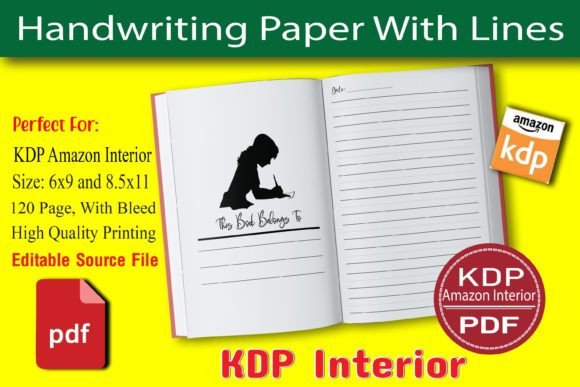
Handwriting Paper with Lines
In the digital age, where pixels often dominate our screens, there remains an undeniable power in the organic, human touch of handwritten text. For graphic designers and creative professionals, integrating authentic Handwriting Paper with Lines into visual projects bridges the gap between sterile digital perfection and relatable human connection. This resource is not merely a background for children’s homework; it is a versatile design asset that adds texture, nostalgia, and clarity to modern branding and editorial layouts.
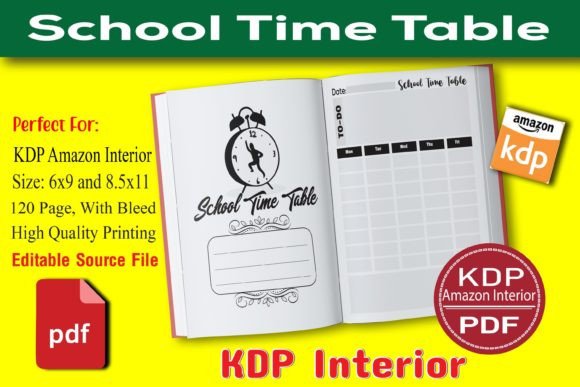
When we talk about high-quality printable resources, such as the 8.5″ x 11″ or 6″ x 9″ formats ready for immediate use, we are discussing tools that enhance visual hierarchy and user experience. Whether you are designing a journal interface, creating educational worksheets, or developing a brand identity that values transparency and approachability, lined paper serves as a foundational element. It guides the eye, establishes rhythm, and provides a structured canvas for creative expression.
Elevating Brand Identity Through Texture
Integrating lined paper textures into your graphic design workflow can significantly strengthen brand identity. In a market saturated with flat, minimalist aesthetics, adding the subtle imperfections of hand-drawn lines or feathered edges introduces warmth. This technique is particularly effective for brands in the education, lifestyle, and artisanal sectors. By using high-resolution interiors with bleed files included, designers ensure that their print materials look professional and polished, avoiding the amateurish white borders that often plague DIY designs.
Consider the impact on packaging design. A product label featuring a handwritten note on lined paper suggests care, personalization, and craftsmanship. This tactile visual cue triggers an emotional response, making the consumer feel valued. Similarly, in social media graphics, overlaying text on a lined background can make quotes or announcements stand out in a crowded feed, offering a familiar yet distinct visual break from standard corporate imagery.
Practical Applications Across Media
The versatility of handwriting paper extends far beyond traditional print. Here is how creative professionals can leverage these assets across various mediums:
- Editorial Design: Use lined backgrounds for sidebars, pull quotes, or marginalia in magazines and books to differentiate supplementary content from the main body text.
- UI/UX Design: Incorporate subtle line patterns in note-taking apps or educational platforms to mimic the physical act of writing, enhancing usability and intuitive navigation.
- Marketing Materials: Create engaging flyers and brochures where key information is presented as if jotted down in a notebook, fostering a sense of immediacy and authenticity.
- Digital Products: Offer downloadable planners, journals, and tracing sheets for preschoolers and students, capitalizing on the growing demand for printable educational resources.
Ensuring Quality and Consistency
To maintain a premium aesthetic, the quality of your assets is paramount. When selecting handwriting paper templates, prioritize files that offer high resolution and proper bleed settings. The inclusion of both PDF and EPS files allows for maximum flexibility; PDFs are ideal for quick printing and digital distribution, while EPS files provide scalable vector graphics that remain crisp at any size. This compatibility ensures that your design maintains its integrity whether it appears on a small business card or a large banner.
Furthermore, consider the typography you pair with these backgrounds. Handwritten fonts should complement the lines without competing with them. Ensure sufficient contrast between the text color and the line weight to preserve readability. A common mistake is using lines that are too dark or dense, which can clutter the composition and distract from the core message. Instead, opt for light, dashed, or feathered lines that guide rather than dominate.
Enhancing User Engagement
From a psychological perspective, lined paper evokes memories of learning, creativity, and personal reflection. Leveraging this association can improve user engagement in digital marketing campaigns. When users see familiar educational motifs—such as alphabet tracing guides or composition notebook styles—they subconsciously associate the brand with growth, learning, and trust. This is particularly powerful for businesses targeting parents, educators, or lifelong learners.
By thoughtfully integrating these elements, designers can create cohesive narratives that resonate on a deeper level. The key lies in balance: using the lined paper as a supportive structure that enhances the content rather than overshadowing it. Whether you are sketching initial concepts or finalizing a client presentation, these assets provide a reliable framework for creative exploration.
Ultimately, the choice to use handwriting paper with lines is a strategic decision to humanize your design. It signals attention to detail and a commitment to quality. By selecting high-resolution, print-ready files and applying them with an understanding of visual principles, you elevate your work from simple decoration to meaningful communication. In a world where attention is scarce, providing a visually comforting and organized experience can be the differentiator that captures and retains your audience’s interest.