The Power of Shared Effort: Why Students Helping Each Other to Climb Ups Matters
In the visual language of modern education, few images are as potent as a high school graduate holding hands with friends, symbolizing a collective journey rather than a solitary race. This imagery, often seen in flat vector illustrations for educational banners and landing pages, captures more than just a moment of celebration. It represents a fundamental shift in how we understand academic success. The concept of Students Helping Each Other to Climb Ups is not merely a metaphorical flourish; it is a practical strategy that defines the most resilient learning communities.
When we talk about climbing ups, we are referring to the incremental challenges students face daily. These are not always monumental exams or final projects. Often, they are the small, steep inclines of understanding a complex theorem, mastering a new language syntax, or navigating the social pressures of adolescence. In these moments, the presence of a peer can mean the difference between stagnation and progress. The act of teamwork transforms isolated struggles into shared victories, creating a support network that is both emotional and intellectual.
Redefining Success Through Collaborative Dynamics
Traditional educational models often emphasize individual achievement. Grades are personal, rankings are competitive, and graduation is viewed as an individual milestone. However, the reality of the modern workforce and higher education demands a different skill set. Employers and universities increasingly value candidates who demonstrate the ability to collaborate, communicate, and lift others up. This is where the principle of Students Helping Each Other to Climb Ups becomes a critical competency rather than just a nice-to-have trait.
Consider the dynamics of a study group. When one student explains a concept to another, they are not just helping their peer; they are reinforcing their own understanding. This phenomenon, known as the protégé effect, suggests that teaching material to others leads to deeper retention and comprehension. Therefore, the act of helping is mutually beneficial. It creates a symbiotic relationship where knowledge flows freely, and gaps in understanding are filled collectively. This dynamic is essential for building a robust educational foundation that lasts beyond the classroom.
The Role of Emotional Support in Academic Resilience
Academic pressure can be overwhelming. The fear of failure, the stress of deadlines, and the uncertainty of the future can create significant mental barriers. In this context, the physical act of holding hands, as depicted in many educational illustrations, serves as a powerful symbol of emotional solidarity. It reminds students that they are not alone in their struggles. Knowing that a friend is willing to pause, listen, and offer assistance can alleviate anxiety and boost confidence.
Emotional support is a crucial component of Students Helping Each Other to Climb Ups. It fosters a sense of belonging and community, which are key predictors of student retention and success. When students feel connected to their peers, they are more likely to engage in class, participate in discussions, and take academic risks. This sense of security allows them to focus on learning rather than worrying about judgment or isolation. It turns the educational environment from a competitive arena into a collaborative ecosystem.
Practical Applications in Modern Learning Environments
Integrating the concept of mutual aid into daily school life requires intentional effort. It is not enough to simply place students in groups and expect collaboration to happen naturally. Educators and administrators must create structures that encourage and reward cooperative behavior. This might include peer tutoring programs, collaborative project-based learning assignments, or mentorship initiatives where older students guide younger ones.
- Peer Tutoring Networks: Establishing formal systems where students can sign up to help others in subjects they excel in. This not only provides academic support but also builds leadership skills.
- Collaborative Projects: Designing assignments that require diverse skills and perspectives, forcing students to rely on each other’s strengths to succeed.
- Mentorship Programs: Pairing high school seniors with freshmen to help them navigate the transition, offering advice on coursework, extracurriculars, and social integration.
These initiatives reflect the core idea of Students Helping Each Other to Climb Ups. They institutionalize the spirit of cooperation, making it a visible and valued part of the school culture. When students see that helping others is recognized and rewarded, they are more likely to engage in these behaviors spontaneously.
Navigating Challenges in Peer Collaboration
While the benefits are clear, collaborative learning is not without its challenges. Differences in work ethic, communication styles, and academic abilities can lead to friction. Some students may feel burdened by the responsibility of helping others, while others may become overly dependent on their peers. Addressing these issues requires clear guidelines and ongoing support from educators.
It is important to establish boundaries and expectations. Students need to understand that helping does not mean doing the work for someone else. It means guiding, explaining, and encouraging. Educators should provide training on effective communication and conflict resolution to help students navigate these interactions smoothly. By addressing potential pitfalls proactively, schools can ensure that the practice of Students Helping Each Other to Climb Ups remains positive and productive.
The Long-Term Impact on Personal and Professional Growth
The habits formed in high school often carry over into adulthood. Students who learn the value of collaboration and mutual support are better prepared for the complexities of the modern workplace. They understand that success is rarely a solo endeavor and that leveraging the strengths of a team is essential for achieving large goals. This mindset is particularly valuable in industries that rely on innovation and problem-solving, where diverse perspectives and collective intelligence drive progress.
Moreover, the empathy and social skills developed through helping peers contribute to overall well-being. Individuals who are accustomed to supporting others tend to have stronger social networks and higher levels of life satisfaction. They are more likely to be active contributors to their communities, volunteering their time and expertise to help those in need. Thus, the simple act of Students Helping Each Other to Climb Ups has ripple effects that extend far beyond the school gates.
Designing for Connection: Visualizing Teamwork
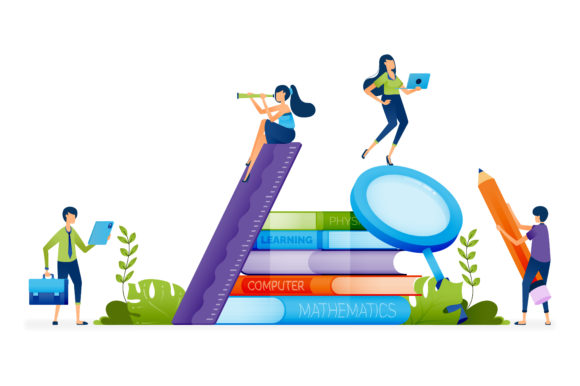
The popularity of flat vector illustrations depicting teams of friends holding hands underscores the universal appeal of this concept. These images are not just decorative; they communicate values. For website designers and educational marketers, using such imagery signals a commitment to community and support. It tells prospective students and parents that the institution values collaboration over competition.
When designing banners or landing pages for educational platforms, incorporating elements that show teamwork can enhance user engagement. It creates an emotional connection with the audience, appealing to their desire for belonging and support. The visual metaphor of climbing together reinforces the message that education is a shared journey, one that is easier and more rewarding when undertaken with others.
In conclusion, the principle of Students Helping Each Other to Climb Ups is a cornerstone of effective education. It enhances academic performance, builds emotional resilience, and prepares students for future success. By fostering a culture of collaboration and mutual support, schools can create environments where every student has the opportunity to thrive. Whether through formal programs or informal acts of kindness, the power of peer support remains one of the most valuable resources in the educational landscape.