Islamic Logo Vector Template: A Strategic Guide for Brand Identity
In the realm of visual branding, the Islamic Logo Vector Template serves as a foundational resource for organizations seeking to communicate values rooted in faith, culture, and tradition. Whether for a mosque, an educational center, a halal business, or a community organization, the visual identity must resonate with authenticity while maintaining professional standards. This article explores the utility, design considerations, and strategic implications of using vector-based templates for Islamic-themed branding.
Understanding the Core Concept
An Islamic Logo Vector Template is a pre-designed graphic file that utilizes scalable vector graphics (SVG) technology. Unlike raster images, which can pixelate when resized, vector files are composed of mathematical paths. This ensures that the design remains crisp and clear whether it is printed on a small business card or displayed on a large billboard. These templates typically incorporate symbol, calligraphy, and architecture elements that are culturally significant.
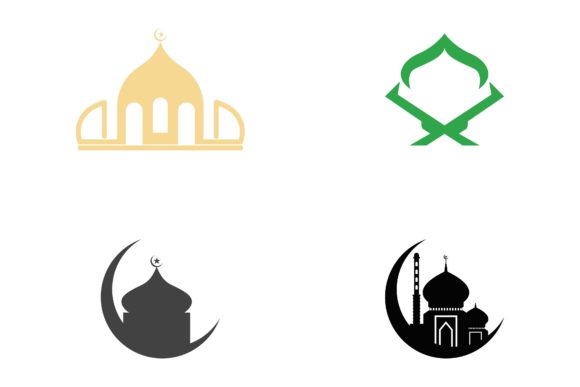
The primary appeal lies in the balance between traditional aesthetics and modern functionality. Designers and business owners often seek these resources to save time while ensuring that the resulting logo adheres to cultural sensitivities. Common motifs include the dome of a mosque, the crescent moon, Quran imagery, and intricate geometric patterns known as arabesques. These elements act as immediate visual cues, signaling the organization’s alignment with Islam and Muslim values.
Why Choose a Vector Template?
For many startups, non-profits, and educational institutions, budget and time are critical constraints. Custom logo design can be expensive and time-consuming. A high-quality template offers a cost-effective alternative without sacrificing professionalism. Here are several reasons why individuals and companies evaluate this option:
- Scalability: The vector format allows the graphic to be used across various media, from digital background designs to physical emblem stamps.
- Cultural Relevance: Pre-made templates often feature authentic Arabic calligraphy and religious symbols that have been vetted for appropriateness.
- Customizability: Most templates are layered, allowing users to change colors, adjust shapes, or modify text to fit their specific company name.
- Speed to Market: For events like Ramadan or the launch of a new school, having a ready-to-use illustration accelerates the branding process.
Design Elements and Aesthetic Considerations
When evaluating an Islamic Logo Vector Template, it is essential to understand the components that make it effective. The best designs blend abstract concepts with recognizable iconography. For instance, a silhouette of a minaret combined with a book can represent an education center, while a simple crescent might suffice for a general faith-based group.
Calligraphy is perhaps the most distinct element of Islamic art. In logo design, the flow of Arab script can serve as both text and image. However, non-Arabic speakers must exercise caution. It is crucial to verify that any included Arabic text is accurate and meaningful. Many templates offer placeholders where users can insert their own text in Latin or Arabic scripts, ensuring the sign accurately represents their brand.
Color psychology also plays a vital role. While many templates come in standard black or white for versatility, Islamic branding often utilizes green, gold, blue, and earth tones. These colors evoke feelings of peace, prosperity, and spirituality. A well-designed decoration pattern should complement rather than overwhelm the central shape of the logo.
Benefits and Tradeoffs
Using a template is not without its tradeoffs. Understanding these helps in making an informed decision.
Benefits
- Cost Efficiency: Templates are significantly cheaper than hiring a professional designer for a bespoke project.
- Professional Quality: High-end templates are created by skilled artists, ensuring balanced proportions and clean lines.
- Versatility: The isolated nature of vector elements means they can be rearranged or used individually in marketing materials.
Tradeoffs
- Lack of Uniqueness: Since templates are available to the public, there is a risk that another business or center may use a similar design. This can dilute brand distinctiveness.
- Generic Appeal: Some templates may feel too generic if not customized heavily. They might lack the specific narrative or story that a custom concept would convey.
- Technical Skill Required: Editing vector files requires software like Adobe Illustrator or Inkscape. Users without these skills may find it challenging to modify the elements effectively.
When Is a Template the Right Choice?
A Islamic Logo Vector Template is a strong fit in several scenarios. It is ideal for small local businesses, such as a halal grocery store or a modest fashion boutique, that need a professional look quickly. It is also suitable for internal projects within larger organizations, such as a university department hosting a Mubarak event, where a temporary or secondary style is needed.
Furthermore, non-profits and community groups with limited budgets benefit greatly from these resources. They allow these organizations to allocate funds toward their mission rather than administrative costs. If the goal is to create a recognizable religious presence without the need for global trademark exclusivity, a template is a practical solution.
When to Consider Alternatives
There are situations where a template may not align with your goals. If you are launching a large-scale international brand or a tech startup focused on the Moslem market, unique brand identity is crucial. In such cases, investing in custom design ensures that your logo is trademarkable and distinct from competitors.
Additionally, if your organization has very specific theological or cultural nuances that a generic symbol cannot capture, a custom designer can tailor the art to reflect those subtleties. For example, a specific Sufi order or a particular school of thought may require unique iconography that standard templates do not provide.
Practical Decision-Making Insights
To determine if a template aligns with your needs, consider the following steps:
- Define Your Audience: Are you targeting a local community or a global audience? Local groups may prioritize familiarity, while global brands need uniqueness.
- Assess Technical Capability: Do you have access to vector editing software? If not, factor in the cost of hiring someone to customize the template.
- Check Licensing: Ensure the license allows for commercial use if you are a company. Some free resources have restrictions.
- Plan for Customization: Even with a template, plan to change colors and fonts to make the graphic your own. This reduces the risk of looking identical to other users.
In conclusion, the Islamic Logo Vector Template is a valuable tool in the modern designer’s toolkit. It bridges the gap between creative expression and practical necessity. By understanding its benefits and limitations, you can decide whether it serves your business or organizational goals effectively. Whether you choose a template or a custom design, the ultimate aim is to create a visual identity that respects culture, communicates faith, and inspires trust.