Building Confidence in Early Learners: A Review of Module 5 - Self-Esteem from Ethics4school
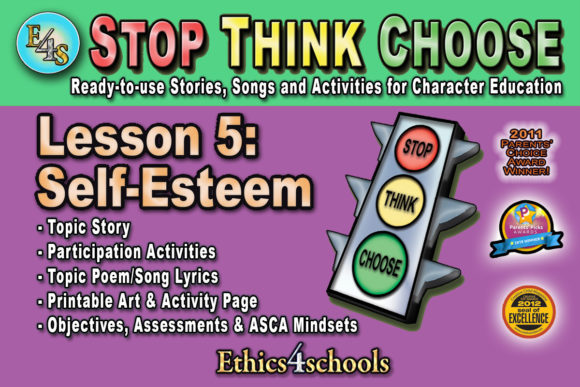
For educators, parents, and counselors working with children aged two to ten, fostering a healthy self-image is often as critical as teaching literacy or numeracy. Module 5 - Self-Esteem from the Ethics4school Stop Think Choose Character Education Book offers a structured approach to this complex developmental task. Unlike generic advice found in parenting blogs, this module provides a curated suite of resources designed to boost confidence and cultivate a positive self-image through interactive storytelling, music, art, and assessment.
When evaluating character education resources, it is essential to look beyond surface-level activities. This review explores the distinct features of Module 5, compares its methodology to alternative approaches, and helps decision-makers determine if this tool aligns with their educational goals and the specific needs of their young learners.
The Core Components of the Self-Esteem Module
The primary distinction of Module 5 - Self-Esteem lies in its multimodal delivery system. Rather than relying solely on verbal instruction or passive reading, the module integrates several sensory and cognitive pathways to reinforce learning. The content is anchored by a narrative story that introduces characters facing relatable challenges regarding self-worth. This storytelling element serves as an entry point for children to project their own feelings onto safe, fictional scenarios.
Following the narrative, the module transitions into auditory engagement through full-sing and karaoke songs. Music is a powerful mnemonic device for early learners, helping to internalize affirmations and positive mantras. The inclusion of karaoke tracks encourages active participation, allowing children to "perform" confidence rather than just hear about it. This is complemented by hands-on art activities and structured exercises that require physical engagement, catering to kinesthetic learners who may struggle with traditional sit-down lessons.
Furthermore, the module does not leave outcomes to chance. It includes specific assessment questions designed to gauge whether children have internalized the concepts. These assessments are not graded tests but rather diagnostic tools for adults to understand where a child stands in their journey toward self-acceptance.
Alignment with Professional Standards
One of the most significant advantages of using Module 5 - Self-Esteem is its alignment with established professional frameworks. The content explicitly incorporates the American School Counselor Association’s (ASCA) objectives and the Mindsets and Behaviors Program Planning Tool. For school counselors and administrators, this alignment is crucial. It ensures that the activities are not merely recreational but are tied to measurable student outcomes recognized by national standards.
The ASCA framework emphasizes that students should develop a positive attitude toward work and learning, as well as a sense of place in the school community. By mapping the module’s activities to these specific mindsets, educators can justify the time spent on character education within broader curriculum planning. This professional grounding sets the module apart from informal resources that may lack pedagogical rigor or clear learning objectives.
Comparing Approaches: Structured Modules vs. Organic Methods
When choosing resources for social-emotional learning (SEL), adults often face a choice between structured curricula like Module 5 - Self-Esteem and more organic, discussion-based approaches. Each has its place, and understanding the tradeoffs is key to making an informed decision.
Structured modules offer consistency. They provide a ready-made sequence of events—story, song, activity, assessment—that reduces preparation time for teachers and parents. This format is particularly beneficial in classroom settings where multiple instructors need to deliver consistent messaging. In contrast, organic methods rely heavily on the facilitator’s ability to seize teachable moments as they arise. While valuable, organic methods can be inconsistent and may miss foundational concepts if the facilitator lacks specialized training in child psychology.
Another comparison point is the age range. Many SEL resources target either preschoolers or elementary students exclusively. Module 5 - Self-Esteem spans ages two to ten, which is both a strength and a limitation. For younger children (ages 2–5), the songs and simple art projects are highly effective. For older children (ages 6–10), the story and assessment questions provide deeper reflection opportunities. However, facilitators must be prepared to adapt the complexity of discussions. A ten-year-old may find the songs childish if not framed correctly, whereas a two-year-old will not grasp the nuances of the assessment questions. Alternative resources that are strictly age-segmented may offer more tailored depth but lack the continuity of a single program.
Strengths and Practical Applications
The strength of this module lies in its holistic design. By combining auditory, visual, and kinesthetic elements, it addresses diverse learning styles. For example, a child who struggles to articulate feelings verbally might express their self-concept clearly through the art component. Similarly, a shy child might find their voice through the karaoke activity before feeling comfortable speaking in a group discussion.
Practical application is straightforward. The module can be used in various settings:
- Classroom Circles: Teachers can use the story as a morning meeting prompt to set a positive tone for the day.
- Counseling Sessions: School counselors can utilize the assessment questions to identify students with low self-esteem and track progress over time.
- Home Environments: Parents can use the songs and art activities to reinforce positive self-talk during weekends or holidays.
The inclusion of the Stop Think Choose methodology encourages critical thinking. Children are not just told they are valuable; they are guided through a process of recognizing their worth, thinking about how their actions reflect that worth, and choosing behaviors that support their self-image. This empowers children with agency, a critical component of lasting self-esteem.
Limitations and Considerations
While Module 5 - Self-Esteem is a robust tool, it is not a standalone solution for deep-seated psychological issues. It is designed for general character education and prevention, not therapy. Children experiencing severe trauma, bullying, or clinical anxiety may require individualized support from mental health professionals beyond what a classroom module can provide.
Additionally, the effectiveness of the module depends heavily on the facilitator’s enthusiasm and consistency. If the songs are sung half-heartedly or the discussions are rushed, the impact will be diminished. Adults must be willing to engage fully with the material, modeling the self-confidence they wish to instill in the children.
Another consideration is cultural relevance. While the core concepts of self-esteem are universal, the specific examples in the story or songs may need contextualization to resonate with diverse cultural backgrounds. Facilitators should be prepared to supplement the material with examples that reflect the lived experiences of their specific group of children.
Making the Right Choice for Your Context
Deciding whether to adopt Module 5 - Self-Esteem requires an honest assessment of your resources and goals. If you are looking for a comprehensive, standards-aligned package that requires minimal creation from scratch, this module is an excellent fit. It is particularly suitable for schools implementing ASCA-aligned counseling programs or homeschooling parents seeking structure.
However, if you already have a robust SEL curriculum and only need supplemental activities, you might prefer purchasing individual components, such as the song tracks or art templates, rather than the entire module. Alternatively, if your primary goal is crisis intervention rather than preventive character building, you may need to look toward specialized therapeutic resources instead.
Ultimately, the value of Module 5 - Self-Esteem is in its ability to make abstract concepts tangible for young minds. By providing a clear pathway from story to song to self-reflection, it offers a practical toolkit for nurturing the next generation’s confidence. For adults committed to supporting children’s emotional development, this module represents a thoughtful, evidence-informed option worth considering.